


| Subject | Principle of Heritage Conservation |
| Session | Online |
| Year | 2025 |
| Date | 18th November 2025 |
| Time | 8:30 am to 10:00 am |
| Venue | Masters Studio - 2nd Floor PiCA |
| Faculty Co-ordinator | Jasmine Bhavsar |
| Guest Speaker | Prof. R.J Vasavada |
| No of Students | 3 |
| No of Faculty | 2 |
The Aim of this guest lecture was to sensitize students about the Importance of our historic buildings, heritage structures, their significance, and principles in heritage conservation
This lecture was arranged specially for Master’s in Architecture, General Semester 1 – Principles of Heritage Conservation.
The lecture emphasized the necessity of understanding the historical and cultural context when approaching heritage conservation. Prof. R.J Vasavada highlighted the principles of preserving original structures, advocating for minimal intervention and respect for traditional construction methods. By focusing on the unique features and stories embedded within these buildings, students learned that conservation is not just about maintaining physical forms, but also about safeguarding intangible cultural values for future generations.
Rabindra Vasavada, started with discussion about the Basic Fundamentals of the field of conservation he started with explaining the definitions and clarified the following concepts-
Fundamentals of Conservation and Heritage Restoration
The disciplines of conservation and heritage restoration are founded upon a deep respect for history, culture, and the built environment. Their core principles emphasize the recognition and protection of heritage assets—whether monuments, buildings, landscape, or intangible cultural practices—as invaluable records of the past and vital resources for the future.
Prof. Rabindra Vasavada began the session by introducing the foundational principles of conservation and heritage restoration. He initiated the discussion with definitions and clarifications of essential concepts, ensuring that students understood the core ideas underpinning the field.
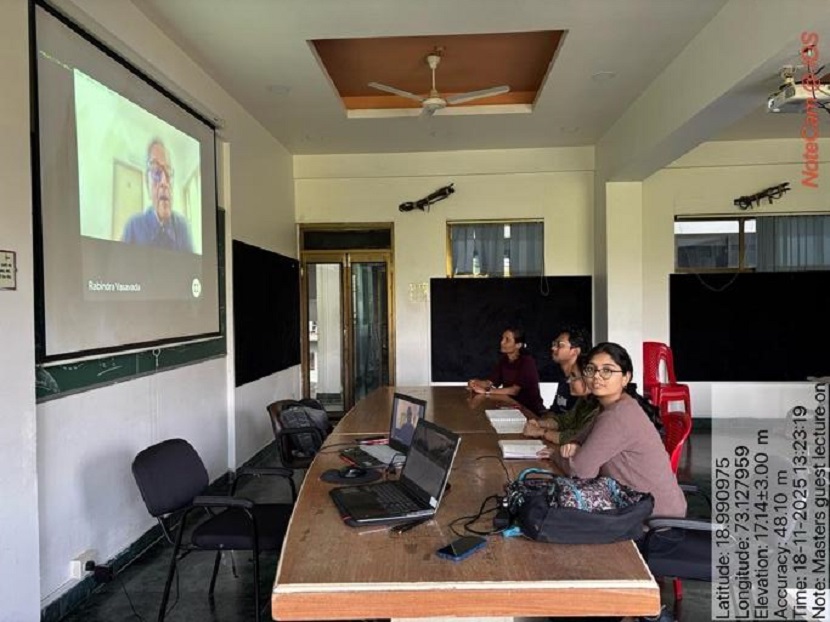
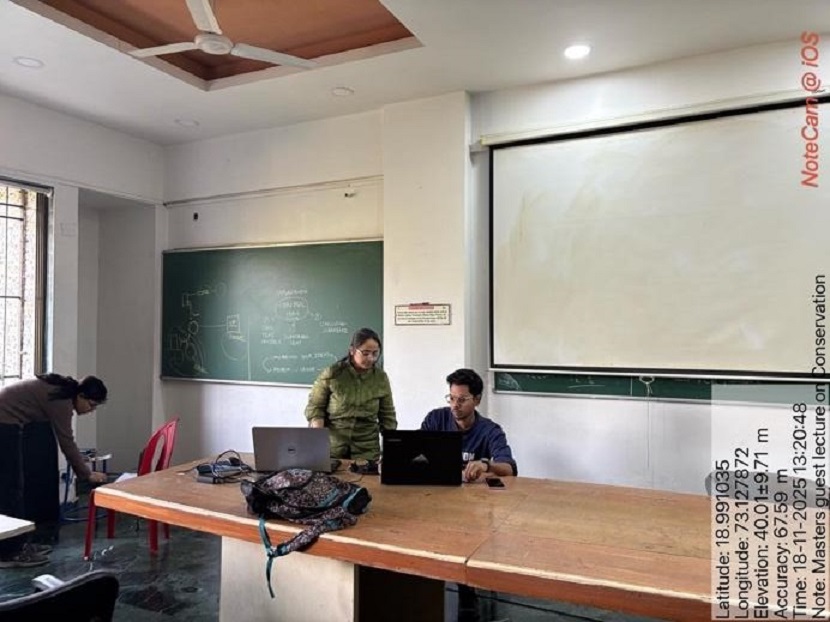
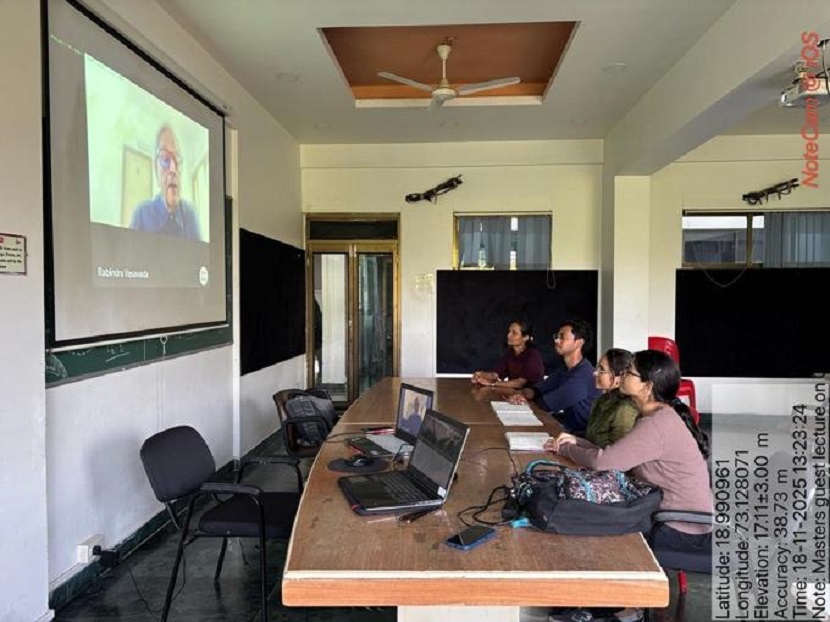
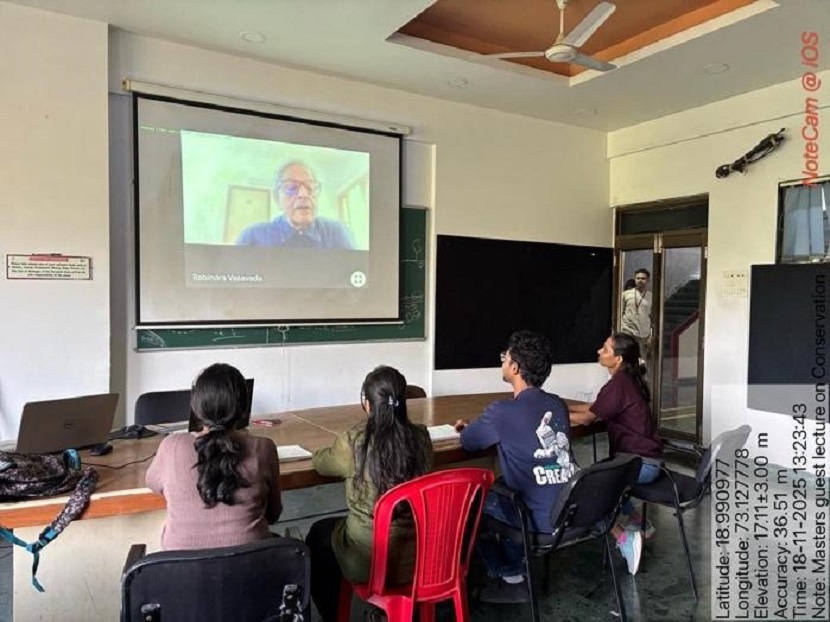


The disciplines of conservation and heritage restoration are grounded in a profound respect for history, culture, and the built environment. Central to these fields is the recognition and protection of heritage assets—ranging from monuments and buildings to landscapes and intangible cultural practices—as irreplaceable records of the past and valuable resources for the future.
The lecture also sparked engaging discussions about the challenges and opportunities in heritage conservation, particularly in the context of rapidly changing urban landscapes. Students and faculty explored case studies illustrating how sensitive interventions can balance the needs of contemporary communities with respect for historical authenticity. The importance of interdisciplinary collaboration—bringing together architects, historians, engineers, and local communities—was underscored as essential for achieving holistic and sustainable conservation outcomes. Practical examples highlighted the need for thorough documentation, climate-responsive design, and adaptive reuse strategies that honor the spirit of place while accommodating functional requirements.
Students realized that the following points needs to be combined for successful formation of a good and community driven project.
- Engagement with local stakeholders from the earliest stages of the project, ensuring their voices and traditions inform every step of the process.
- Comprehensive documentation and analysis of the site, including historical research, physical surveys, and cultural mapping to understand the tangible and intangible heritage values.
- Interdisciplinary teamwork, leveraging the expertise of architects, planners, historians, craftsmen, and engineers to devise context-sensitive solutions.
- Adoption of adaptive reuse strategies that respect the historic character while accommodating contemporary functions and needs.
- Integration of climate-responsive and sustainable design principles to ensure the long-term viability of conservation efforts.
- Continuous evaluation and incorporation of feedback from the community and stakeholders throughout the project’s lifecycle.
