


| Subject | History of Furniture Design |
| Session | Offline |
| Year | 2025 |
| Date | 16th December, 2025 |
| Time | 12:00 p.m. to 1:00 p.m. |
| Venue | A.V Room - 2nd Floor PiCA |
| Faculty Co-Ordinator | Jasmine Bhavsar |
| Guest Speaker | Ar. Jay Mali |
| No. of Students | 26 nos |
| No. of Faculty | 5 nos |
Aim of the lecture was to sensitize students about the Importance of furniture in interior designing. Students were asked about their understanding about designing furniture.
The session, led by Guest Speaker Ar. Jay Mali—principal at the architectural firm Diosity in Goregoan, Mumbai and founder of the furniture brand Aarki—provided an in-depth exploration of the integration of furniture as both a functional and aesthetic element within interior spaces.
Participants engaged in thoughtful discussions and examined real-world case studies, thereby enhancing their understanding of contemporary interior design practices. The lecture underscored the critical importance of considering space function, user requirements, and the specific activities intended for the environment as fundamental components in the design process. Practical examples were also reviewed, illustrating the significance of material selection, ergonomics, and sustainability within the context of modern furniture design.
Throughout the lecture, students and faculty delved deeply into the multifaceted relationship between furniture design and user experience. The session fostered a vibrant atmosphere of inquiry, where participants examined how thoughtfully crafted furniture could dramatically shape the ambiance, comfort, and practicality of interior spaces. Together, they explored examples of innovative furniture solutions that maximized available space, accommodated diverse user needs, and improved the overall functionality of built environments.
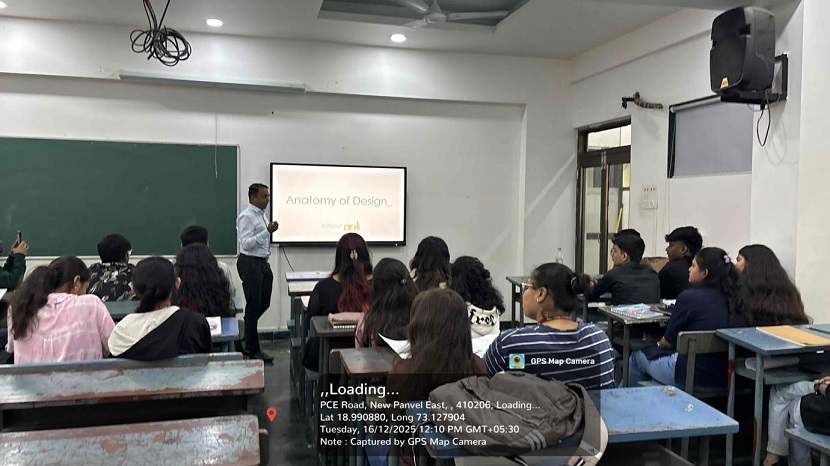
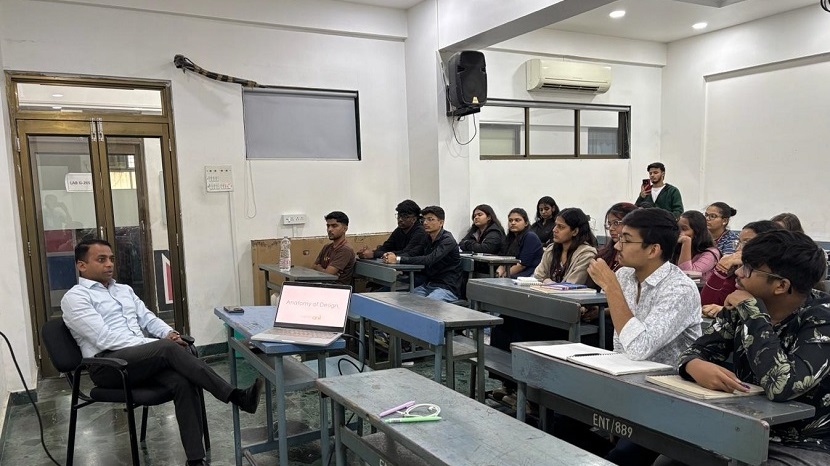
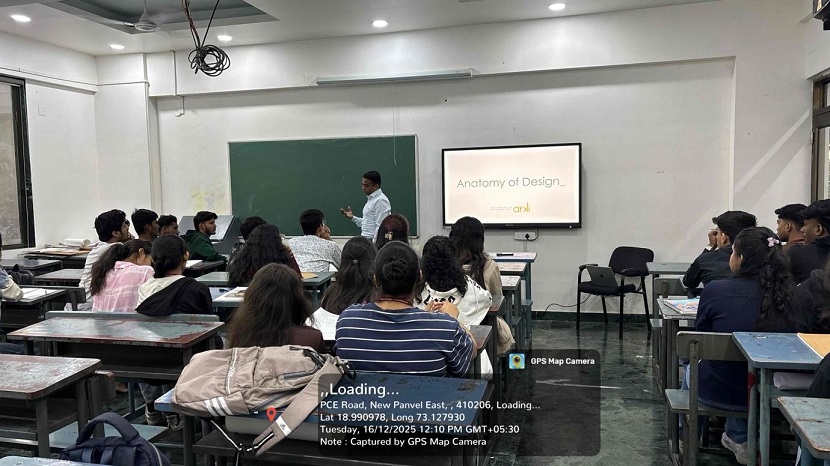
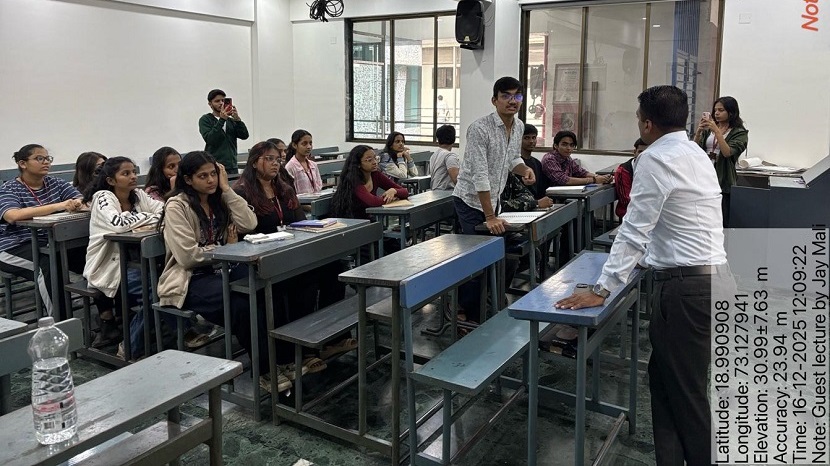

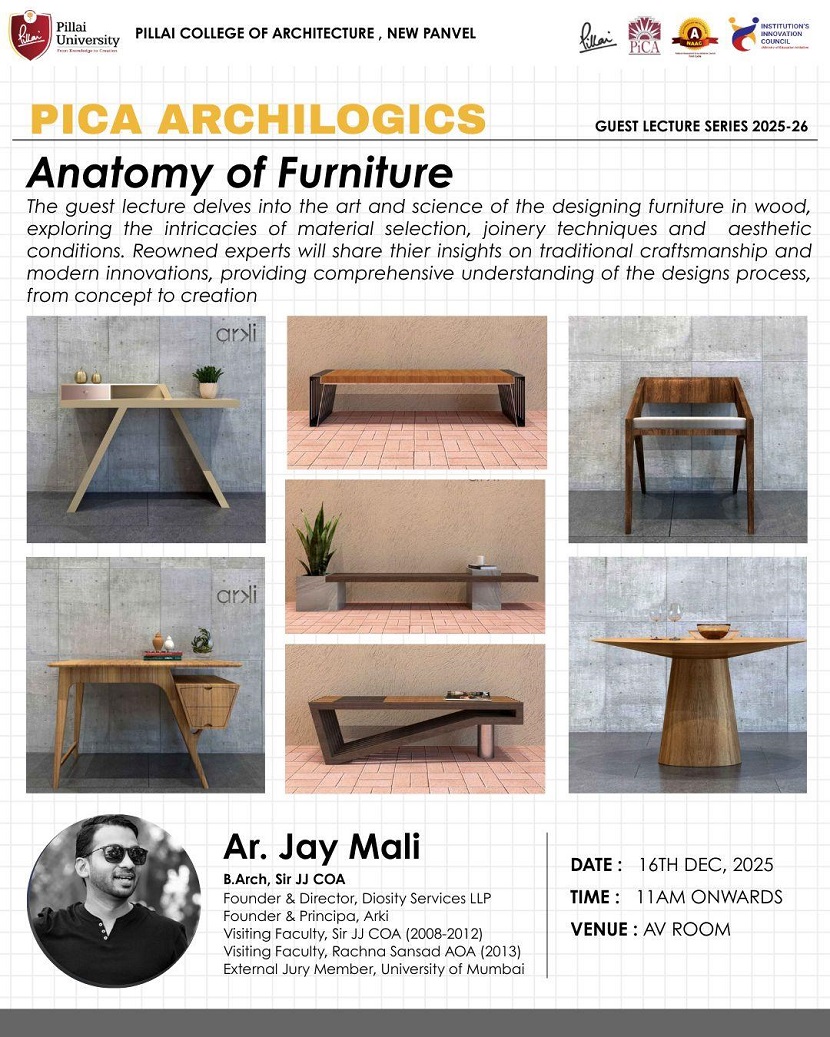
A major highlight of the lecture was an in-depth exploration of the materials used in furniture design. The speaker emphasized that furniture is not limited to traditional materials like wood or fabric but can also be constructed from steel, stone, concrete, glass, and other modern composites. Each material possesses distinct aesthetic qualities, structural capabilities, and environmental impacts. For instance, steel and concrete offer remarkable strength and durability, while stone imparts a sense of timeless elegance and solidity. The use of such materials allows designers to achieve unique forms, textures, and finishes, catering to both functional requirements and artistic vision.
Discussions also addressed the importance of sustainability in furniture production. Students learned how the choice of materials impacts not only the longevity and maintenance of furniture but also its ecological footprint. They considered how selecting recycled, locally sourced, or low-impact materials can promote responsible design practices without sacrificing creativity or quality.
Ultimately, the session inspired students to adopt a holistic approach to furniture design—one that balances creativity, practicality, and sustainability. By understanding the diverse possibilities offered by materials like steel, stone, and concrete, students left the lecture with broadened perspectives and a readiness to engage with the dynamic landscape of contemporary interior and furniture design.
